
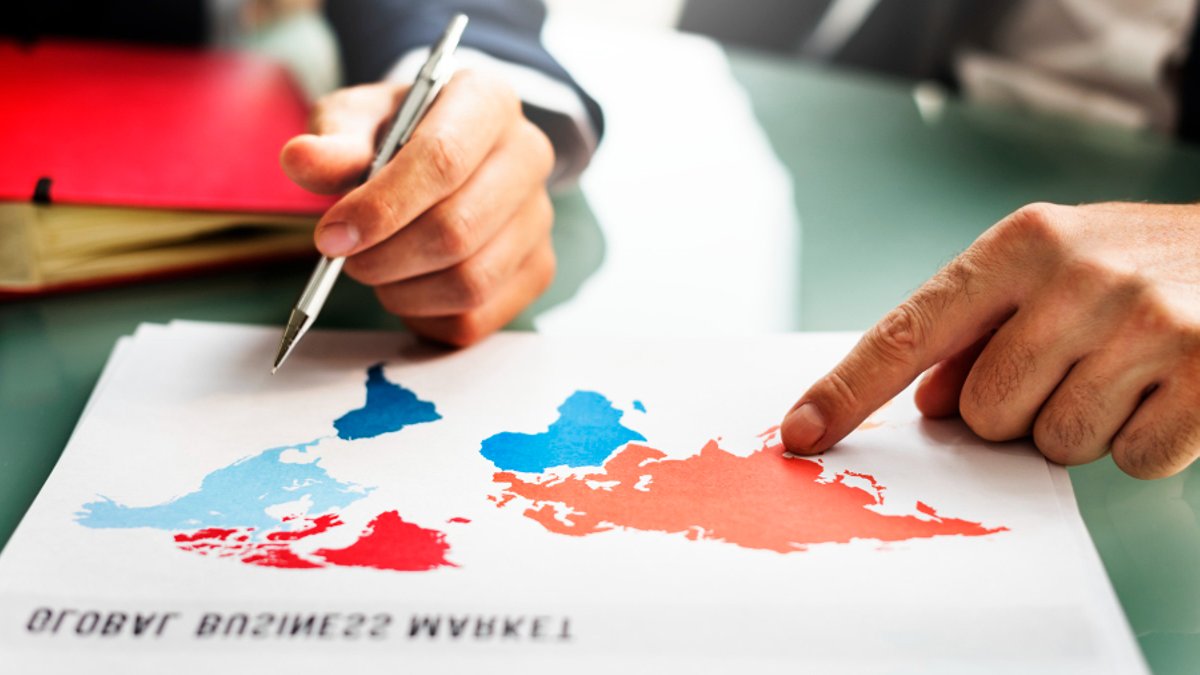
This interest is supported by data showing that 46% of multinationals plan to expand operations in the region during 2024, a figure that reflects the region’s combined population of nearly five billion across more than 45 countries. While established markets like China, Japan, and Singapore offer stability, emerging economies in Vietnam and Thailand are drawing significant attention from European firms seeking new customers or more robust supply chains.
One Market, Many Rules
Organizations often make the mistake of treating the region as a single destination rather than a collection of distinct markets. The reality is that customer expectations, purchasing power, and competition vary wildly from one jurisdiction to another. A strategy that succeeds in Singapore may fail completely in Vietnam due to differences in local regulations and market conditions. Assessing political stability, the rule of law, and the robustness of the judicial system becomes essential before a business commits resources to a specific country.
OECD data highlights these disparities, showing that foreign investment restrictions remain significantly higher in markets such as the Philippines, Malaysia, and Indonesia compared to Singapore. European businesses face very different ownership, approval, and operating requirements depending on which country they choose to enter. These differences extend to tax, auditing, financial planning, and reporting, as every jurisdiction operates under different systems and infrastructure.
Businesses must avoid the temptation to rush into cross-border expansion, especially when a new partnership or large client suddenly appears. Moving too quickly can create problems with payroll, tax, visas, and local entity requirements. For example, a UK technology firm that wins a major Australian contract requiring employees on the ground within weeks may find itself unprepared for the sudden increase in complexity. Accurate forecasts for capital and operational costs—from recruitment to marketing—are necessary before any meaningful revenue can be generated.
Related Post: JKG Land unveils Aosis resort living in Mont’Kiara
The choice of operating structure is as critical as selecting the territory itself. For some organizations, exporting directly or using a distributor is sufficient, while others require a local sales team, a joint venture, a partnership, or their own legal entity. Even the decision to sell directly or through a local partner carries significant consequences, such as triggering local Goods and Services Tax (GST) registration requirements in Singapore. Using a local agent creates a different set of obligations that must be understood.
This structure determines how a business employs people, signs contracts, invoices customers, protects intellectual property, and pays tax. In Singapore, local employees are generally covered by the Employment Act, which offers a relatively flexible regime where either side can terminate by giving notice or salary in lieu. In contrast, a written labour contract in China must generally be signed within one month of an employee starting work and must contain specified terms covering remuneration, working hours, leave, social insurance, and working conditions. The operating structure also determines how easy it is to repatriate profits and affects auditing and reporting requirements.
As businesses expand into multiple territories, the complexity of their operations multiplies. Geopolitical conflict, volatile financial markets, and new trade tariffs have been constant challenges over the past 12 months. A regulatory change in Europe, such as the EU’s Carbon Border Adjustment Mechanism entering its definitive phase in 2026, can immediately affect the competitiveness and financial case for a business producing goods in Asia. It is therefore essential for businesses to enter growth strategies with a clear understanding of financial risks and challenges, supported by strategies to mitigate them.
Building a Support System
A landmark free trade agreement between the UK and India is set to arrive in mid-July 2026. This deal will bring new importing and exporting rules.


Leave a Reply