
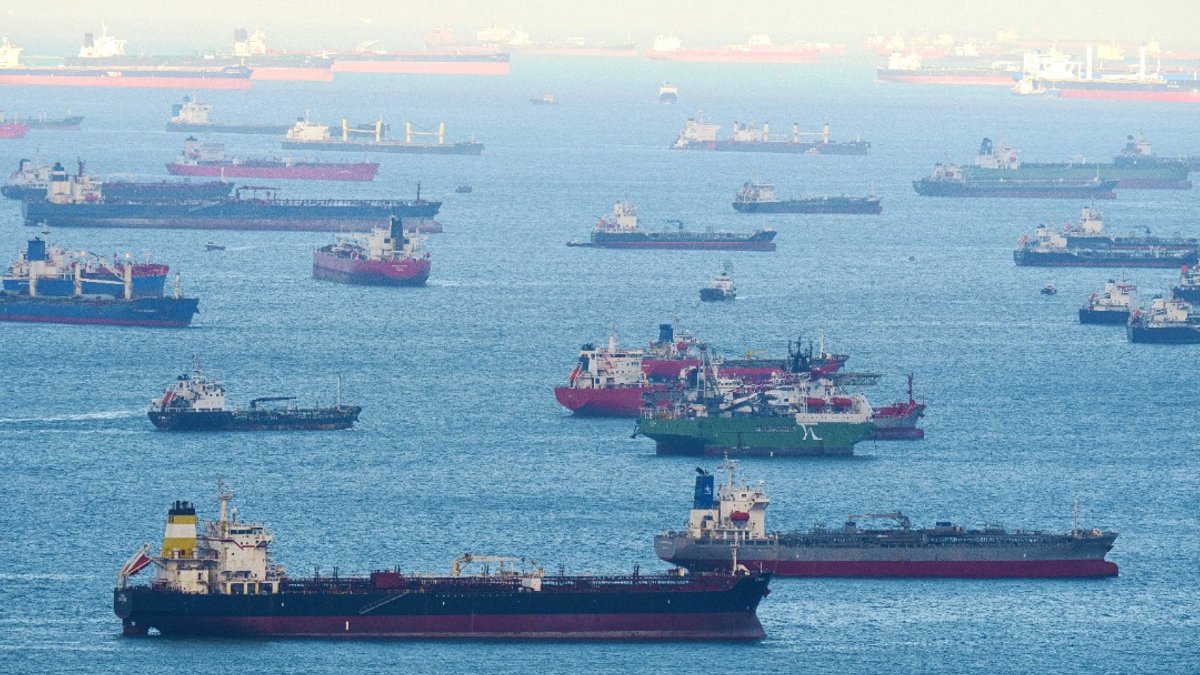
Malaysia, Singapore and Indonesia have reaffirmed their pledge to keep the Strait of Malacca “free, open and safe for international shipping.”
Commitment voiced amid rising global tensions
At a two‑day conference that gathered transport ministers, navy chiefs and representatives from more than a dozen nations, Singapore’s transport minister Jeffrey Siow warned that “events in the Middle East this year reminded the world that open sea lanes cannot be taken for granted.” He added that the region’s experience shows “there is a different way” to safeguard navigation when “geo‑strategic conflict and economic competition is intensifying.”
The gathering, which also hosted officials from China, France, Germany and Saudi Arabia, focused on the narrow corridor that links the Indian Ocean with the Pacific. More than one‑fifth of global seaborne trade passes through it, making the waterway a linchpin for both consumer goods and energy supplies.
Related: Malaysia’s wealthy turn to global legacy planning
Recent disruptions in the Persian Gulf, where traffic through the Strait of Hormuz has dropped to a fraction of pre‑war levels, have highlighted the vulnerability of chokepoints. The Strait of Malacca has not faced a comparable shutdown, but officials say the lesson is clear: redundancy and cooperation matter.
Regional cooperation and funding mechanisms
Malaysia, Singapore and Indonesia manage the corridor loosely, coordinating with Thailand, whose short coastline touches the waterway’s upper end. Vessels are not subject to tolls, but voluntary contributions help to pay for buoys, symbols, lighthouses and other safety initiatives.
“They are safeguards for global trade and energy security,” said Datuk Dickson Dollah, director general of Malaysia’s Marine Department. His statement showed the importance of information‑sharing and continued investment to keep tensions from spilling over into navigation.
Related: IDOG Tops Broader Market in July
Since 2007, the international maritime community has contributed roughly US$26 million (RM105 million) toward navigation aids in the area. That sum represents only a portion of the total cost, but it demonstrates a willingness to share the burden.
Former Indonesian foreign minister Hassan Wirajuda, now rector of Universitas Prasetiya Mulya, noted that the recent Gulf crisis offers “an instructive contrast.” He argued that the fundamental difference lies in politics, not in the physical challenges of piloting ships through narrow passages.
Looking ahead, the three nations say they will continue to refine their coordination mechanisms, upgrade navigation technology and encourage more voluntary funding.


Leave a Reply