
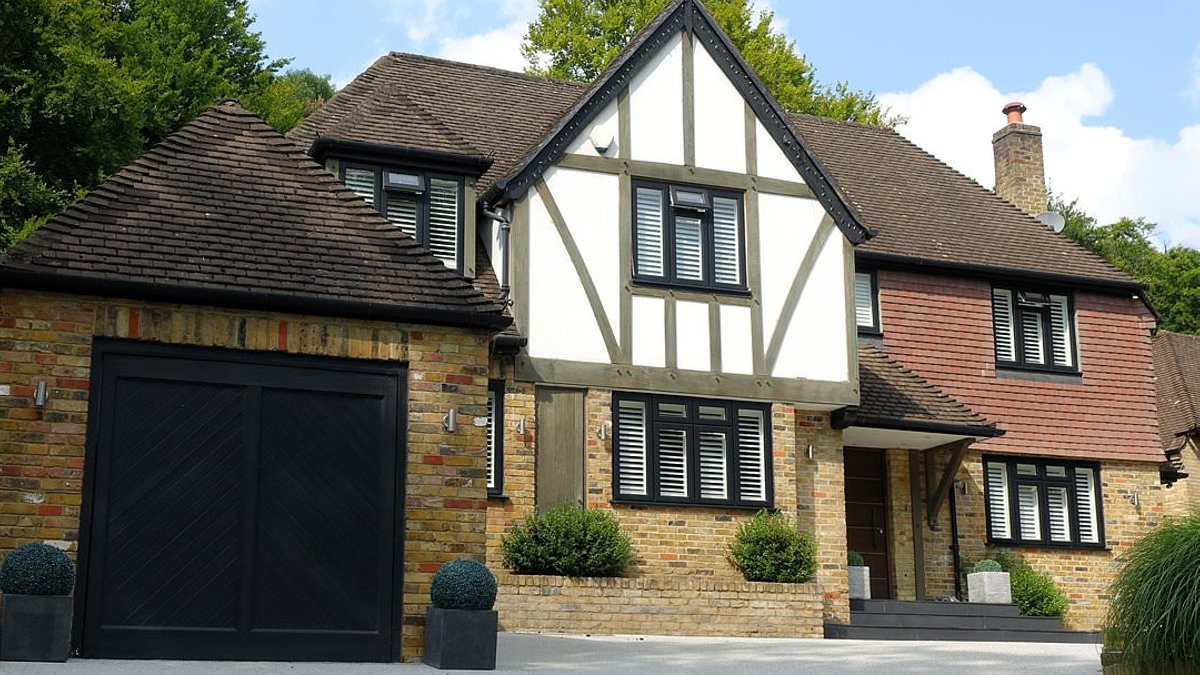
Property specialists warn the count of residences affected by the mansion tax might double if Labour reduces the exemption limit to £1.5 million. Known officially as the High Value Council Tax Surcharge, the measure was introduced by former Chancellor Rachel Reeves in her October 2025 Budget and will apply to properties valued at £2 million or higher beginning April 2028. This annual council tax addition in England will commence at £2,500 per year, escalating to a maximum of £7,500 for the priciest dwellings.
According to Hamptons, this adjustment would increase the number of affected homes from 135,000 to 272,000. Hamptons also noted that the number of homes worth £1.5 million or more in England has decreased by nearly 10,000 since the tax announcement, with the figure standing at just under 135,000 now, down from 144,500 in October 2026.
Regional Impact of the Mansion Tax
The proposed change would disproportionately impact London and the South East, where almost 80% of the affected properties are situated. In London, the number of homes subject to the tax would rise by 79%, from 84,000 to 150,500. The South East would experience a 127% increase, with 62,500 households paying the tax. On a percentage basis, the East Midlands would see the biggest jump in mansion tax-paying households if the threshold was dropped, with a 183% rise, from 1,165 to 3,294. The West Midlands would see a 178% rise, with homes affected going from 1,812 to 5,040.
Expert Analysis and Market Trends
David Fell, lead analyst at Hamptons, remarked: ‘Lowering the threshold disproportionately taxes regional wealth and premium suburban homes, pulling a vast new cohort of regional buyers into a tax originally designed for international high-net-worth hubs.’ Fell’s analysis shows the unintended consequences of the threshold reduction, particularly for areas outside traditional wealth hubs.
Lowering the threshold would not only expand the tax’s reach but also alter its geographic impact and highlight the effects of fiscal drag. This phenomenon occurs when frozen tax thresholds push more individuals into higher tax brackets as their incomes rise, exacerbating the financial burden on affected households.
Political and Economic Context
Prime Minister Andy Burnham and Chancellor John Healey are contemplating the threshold reduction in the upcoming Budget. This consideration arises as the government addresses fiscal challenges amidst a cooling property market. The proposed change would significantly broaden the tax’s scope, impacting more regional and suburban homeowners.


Leave a Reply