
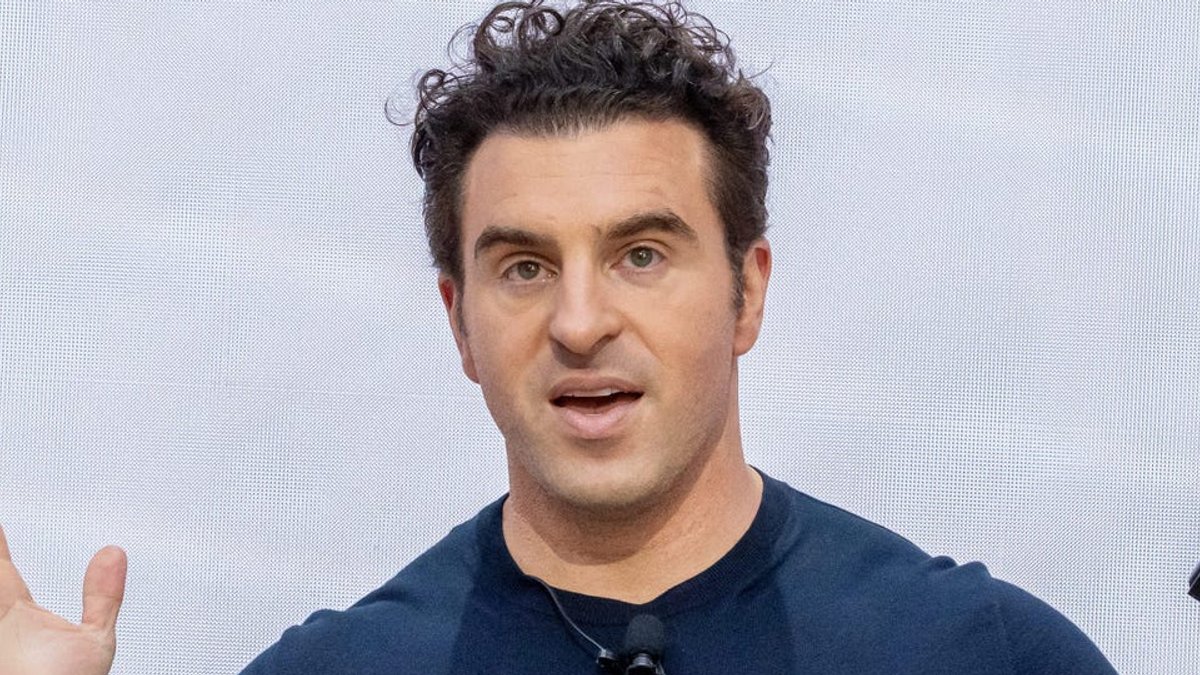
Airbnb CEO Brian Chesky dismissed worries about AI-powered booking tools such as Meta’s Muse and Instinct, insisting their role in reservations stays limited. On the company’s third-quarter earnings call, he stated that these agents account for only a tiny share of Airbnb’s roughly 450,000 daily bookings. He added that traffic from agents peaked in early October and had not increased since.
Instead of viewing them as competition, Chesky positioned the agents as potential referral sources, likening them to Google—a discovery platform that could funnel users to Airbnb. “My general philosophy on agents are, I’m generally excited about them. I don’t see them as a threat,” Chesky said. “I think they’ll be great handoff to us.” The company’s earnings report showed a 19% year-over-year revenue increase, the fastest growth in three years, despite the rise of AI-driven booking options.
AI agents like Instinct and Muse first drew attention this summer when Instinct’s invite-only service went viral in Silicon Valley, followed by Meta’s official launch. Yet industry-wide disruption remains minimal. Executives at Booking.com and Expedia also reported negligible traffic from these agents during their recent earnings calls. DoorDash CEO Tony Xu confirmed that third-party AI tools had produced only “several hundred orders” in total.
Read Also: AI Boom Fuels Fiber-Optic Cable Demand Surge
Chesky argued that general-purpose AI agents are ill-suited for travel planning, which he characterized as an aspirational and interactive experience. Research indicates that 80% of travelers enjoy the planning process, engaging in activities like messaging hosts, comparing listings, and reviewing photos. Airbnb’s data reveals users typically explore a dozen properties and scroll through 25 photos per listing, often during work hours, a pattern suggesting deliberate, thoughtful decision-making.
Chesky emphasized that travelers still value Airbnb’s hands-on experience, calling it “secretly immersive.” “But the idea is that it’s highly aspirational, so I don’t think a lot of people want to offload all that to an agent,” he said. To stay ahead, Airbnb will introduce its own AI agent in the first half of 2025, tailored specifically for travel. Unlike broad-purpose tools, this feature will focus on personalizing trips, matching how users already interact with the platform.


Leave a Reply