
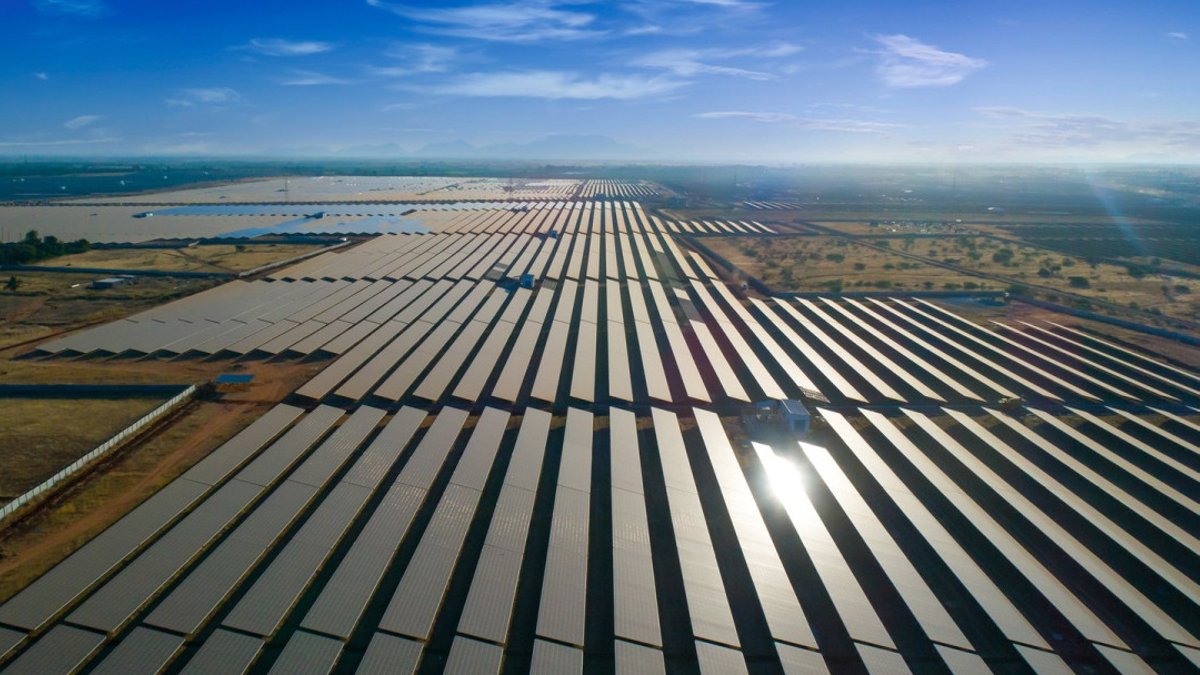
Egypt is rapidly expanding its solar power capacity as part of a national goal to source 42% of its electricity from renewables by 2030 and 65% by 2040. The country currently generates roughly 87% of its power from fossil fuels, primarily natural gas and petroleum. Renewables make up the remaining 13%, split between hydropower and wind and solar. As the government pushes this agenda, a new directive targets the industrial sector to accelerate the transition.
Solar targets for 7,000 factories
Prime Minister Mostafa Madbouly recently reviewed implementation mechanisms with Minister of Electricity and Renewable Energy Mahmoud Esmat. The review, according to a November 4 post on Instagram by CairoScene, directed that later phases of the initiative extend beyond factories to government buildings and other facilities. The program aims to diversify energy sources, reduce production costs, and improve industrial competitiveness while supporting the localization of solar manufacturing.
Madbouly emphasized the need for efficient operation and maintenance, including regular inspections of panels, transformers, and control systems backed by specialized technical training. Esmat stated the program is expected to reduce factories’ electricity bills and natural gas consumption. He also noted that the initiative should increase local content in renewable energy components and strengthen related industrial value chains.
Egypt has initiated the Shams El-Senaa project, aiming to install solar capacity of 1,000 MW to 1 GW across around 7,000 factories. In addition to this, the government is setting up systems on rooftops of public and government buildings to decrease operating expenses and reduce gas usage. Other notable solar projects include the Obelisk Solar Power Project and a solar energy plant in Upper Egypt, which will utilize batteries from a manufacturing facility in the Suez Canal Economic Zone. The Obelisk solar farm, which was developed with a $600 million investment and Chinese technology, produces approximately 1.1 GW of electricity and features advanced battery storage and automated cleaning robots.
Grid expansion and nuclear plans
The transition to solar energy is being driven by large-scale installations such as the Benban Solar Park. Egypt’s solar PV capacity is expected to increase from about 2.9 GW to 34.3 GW by 2035, contributing to a total national renewable capacity of nearly 49.7 GW. The country’s location within the global ‘solar belt’ means that the Western Desert and Upper Egypt receive a high amount of solar irradiance, ranging from 2,000 to 3,200 kWh/m annually.
By expanding solar power, Egypt can decrease its domestic gas consumption, allowing it to export more gas and generate foreign currency. The country currently spends around $7 billion annually on fossil fuel subsidies and faces high import costs. In contrast, solar power is a much cheaper source of energy, costing around $0.02/kWh compared to over $0.06/kWh for fossil fuels, which helps to alleviate public debt and reduce the burden on state budgets.
Rising domestic demand and summer rolling blackouts have strained traditional power plants. Solar energy offsets daytime loads on conventional plants, increasing grid stability. The government has signed around 32 Power Purchase Agreements with private developers by 2025 to produce 1,465 MW of renewable energy, with additional agreements underway. A May report by GlobalData indicates that wind power capacity is expected to rise to nearly 15.1 GW, with the Gulf of Suez and Red Sea regions considered key locations. Additionally, Egypt is preparing to introduce nuclear energy into its power mix, with the El Dabaa nuclear power plant expected to contribute around 4.4 GW to the national grid once operational.


Leave a Reply