
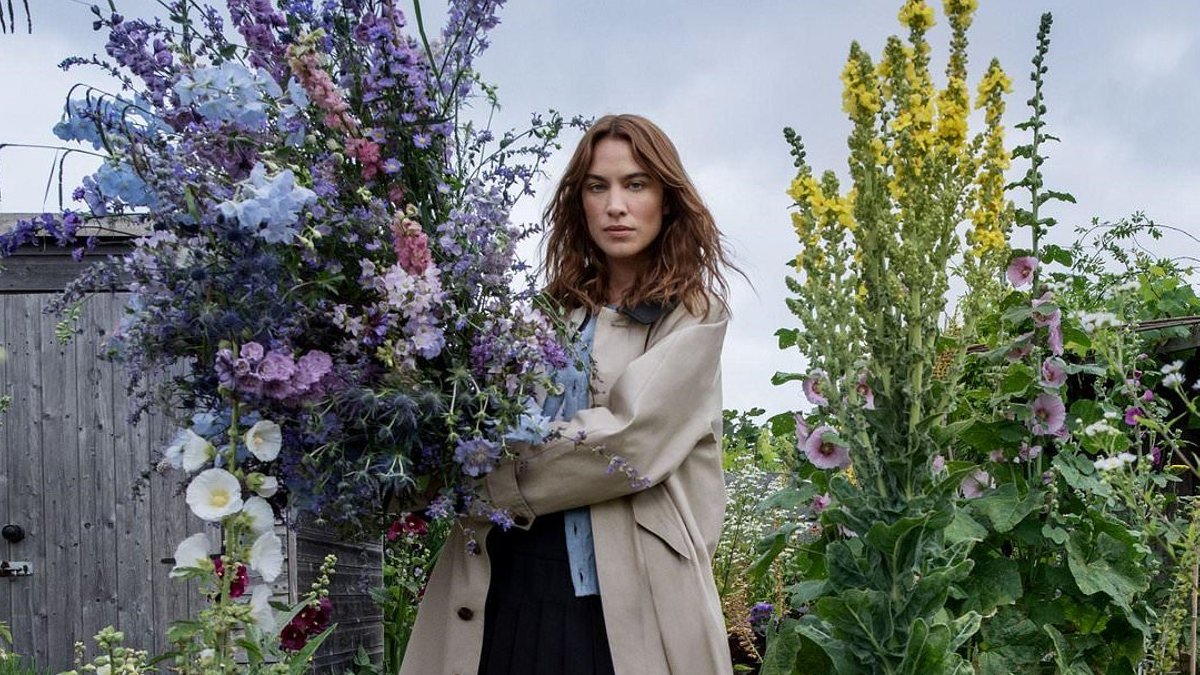
London Fashion Week will spotlight iconic British brands like Barbour, Burberry, McQueen, and Mulberry starting Thursday. These labels aim to blend their heritage with modern style, despite challenges in the luxury goods sector.
Marks & Spencer, a high street staple, will debut its first London Fashion Week show on Friday, featuring both womenswear and menswear. The event will use a “see-now, buy-now” format, allowing attendees to purchase items immediately. A video will stream online at 6:30 p.m., broadening access to the collection.
This approach, pioneered by Burberry in 2016, signals Marks & Spencer’s confidence in shedding its outdated image. The retailer, which entered the clothing market 100 years ago, now leads in style credentials according to YouGov polls.
On Thursday, Barbour, a 132-year-old family-owned company known for its waxed jackets, will showcase its collection at the Saatchi Gallery. The brand’s jackets, worn by the Princess of Wales, are still crafted in its South Shields factory and sold in 55 countries.
Read Also: Middle Britain’s finances under pressure
McQueen, founded by the late Alexander McQueen, will present its show on Saturday. The couture house, which dresses the Princess of Wales for formal events, is owned by Kering, the French luxury conglomerate. Kering’s shares have dropped 21% this year and 65% over the past five years.
Shares in Mulberry, the Somerset-based luxury handbag company, are moving upwards, jumping by 165% since January. This is thanks to a return to sales growth driven by an emphasis on its artisan roots. When the company displays its lines on Saturday, some will be watching whether Mike Ashley, founder of Frasers, will be in the audience. Frasers has a 37% stake in Mulberry. His 2024 takeover bid for the business failed. But Ashley is eager to expand his luxury portfolio, which recently included acquiring Harvey Nichols.
Burberry, founded in 1856, will close London Fashion Week on September 21. The 19% fall in the shares this year means that it must demonstrate its appeal to younger aspirational shoppers. Burberry, a brand still in turnaround, has been successfully winning back this clientele. But sentiment remains depressed. Analysts will be looking for pieces that appeal to Americans of all ages. In the US, money made from artificial intelligence (AI) stocks is currently pushing up demand for Burberry’s classic trenchcoats and its Cotswold bag, pieces that aim to exemplify the best of Britishness.


Leave a Reply